Soulmates, TV Shows, Amazon Prime

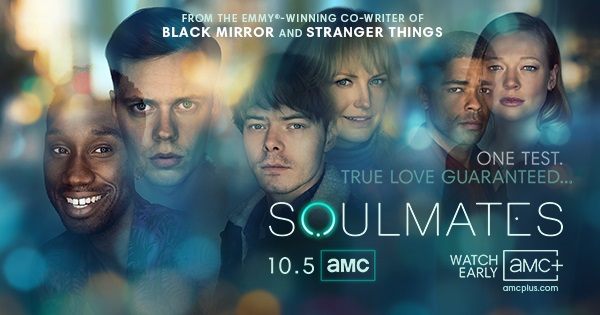
‘Soulmates’ core concept is; how a couple match made by a future technology affects human relationships. It has six episodes based on this one concept but the stories that follow are different.

‘Soulmates’ is futuristic but sci-fi display is minimal. Mobile Phones, Tabs, and TV are shown as transparent glass. People send messages like ‘playing carrom board on mobile phones.’ Data is transferred from mobiles to TV like “picking up cookies from a jar and throwing it on Big Screen.” Besides these, there is not much sci-fi show offs. This measured display of futuristic technologies has helped focus the story on humans only.

The first episode deals with the human thoughts and emotions when a new ‘matchmaking technology’ hits the market. There’s a buzz all around. Early adopters are seen to be happier in the eyes of people who are reticent. FOMO – Fear of Missing Out – finally gets the better off a couple, who, against their better judgement, not only ‘go for the test’ but ‘adopt the change’ as suggested by ‘Technology.’

The second episode ups the ante and brings hacking into the picture. As Newton’s Fifth Law says – All Data will be hacked and will be used against its rightful owner. A social climbing sleazy professor had ‘tested’ but locked his profile to prevent a match, because he needs his ‘duly wedded and well connected wife’ as a ride upto a top position. His designs are foiled by a persistent ‘Match’ who seeks him out and ‘trolls’ him into ignomany.

The third episode explorers a ‘lesbian match.’ This episode runs on exploratory dialogues and tries to fix the fact that – we tend to put our beliefs in some technology even if our true feelings are otherwise.

The fourth episode is pretty jumpy. It explores gay sex but thankfully, except a few kisses and sugested masterbate, nothing much is shown overtly.

Whatever advancement in technologies which the future will bring to the masses, the masses will always hold those advancements by the tendrils of bias, prejudice and superstitions. This is because technological innovations are done by the few ‘who know’ and used by the many ‘who have no idea’ what they are holding and what’s holding them. This gap in awareness is fertile ground for con-men and cults.

The fifth episode is on exploitation of popular beliefs by cults. It so happens that, after the Match, and before the meeting, one of the partner dies. The surviving half is then left to grieve for the lost ‘true soulmate’ and desires to join them in heaven. Then there appears a ‘cult’ which specializes in such ‘soul travels’ provided the travellers are first monetarily lightened.

The sixth and final episode is when – The Match – goes Mental. A middle aged women living with a slothful partner finds a ‘Match’ with a suave man who turns out to be a murderer. The man then convinces the women that she may be a murderer too because – ‘technology’ had matched them so. The smarter man brainwashes the woman to murder her slothful partner but the ‘murderess has her fill.’

‘Soulmates’ is wholesome, rich and fulfilling. The viewing quality of all the episodes is A Plus. One sees and feels that the stories are crafted with loving care and devotion.

Hightown, TV Show, SonyLIV

Hightown, starts high, shows promise, but ends high and dry. It’s one Season with eight, fifty five minutes each, episodes. News is that its been renewed for one more season. This is a mistake. Had it ended well, with current viewers satisfied, there would have been a lingering fond remembrance for “once more.” But the story had almost run its course and it seems that the makers just stopped short of a proper ending only to bargain for one more season. This is being too clever by half.

Nevertheless, Hightown is racy, spicy, and sexy. Every episode has a couple of very noisy and orgasmic sex scenes; man to women and women to women. The characters leave the story, closet in a room for a grunting sex and then return back to the story.

What is actually winning in this TV Drama is the approach and treatment of the plot. This pivots on one character. Since this character has performed so well that audience gets invested and identifies with this character. And the character is not squeaky clean, habit-wise. It is the empathy and concerns of the character that weaves through the story.

Monica Raymund has PriyankaChopra-ish looks and Seema Biswas type acting chops. The character she portrays is of a female marine police who is also a junkie on drinks, drugs and noisy lesbian sex. Most of the time she is suspended from service and works as cop like a Robinhood outside the system. There is also a parallel male track, which is important but the story is presented in such a way that viewers look into every scenes through Monica’s eyes.

Besides Monica, other actors have performed well too. The villain is cool and controlled and menacing. But there are some good characters developed but abandoned, probably for the next season. The story is bingable right to the very end where, I believe, the producers greed for ‘one more season’ had the better of the story. We’ll have to wait to see what’s in the second season which could have been in the first.

Watch ‘Hightown’ with appropriate audience, behind closed and soundproof room, or else, keep the volume low, or better, use headphones.

CHAPPiE, Movie, SonyLIV

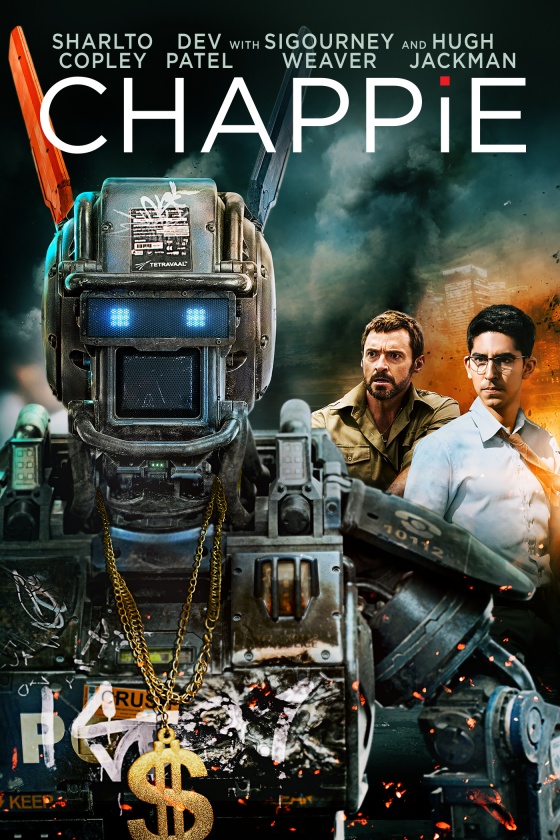
CHAPPiE, is a Science Fiction plus Salman Khan type of movie. And the movie comes with well designed and expressive Robot. In fact, the Robot is the best actor. Contrastingly, Robots in movies like Star Wars are bland, expressionless and only thing they do is shoot. CHAPPiE as ROBOT is LiVELY.

Dev Patel is a good cop and made a good Robot which sells. Hugh Jackman is a bad cop and made a bad Robot which does not sell. So Hugh Jackman sabotages Dev Patel’s Robot. But by the time Jackman is able to do so, Patel makes an new improved version; A Robot with a Consciousness. Patel has also developed “Neural Network” Helmet, through which any person’s Full Consciousness can be downloaded to a Hard Drive and later, transferred to any Robot, which then become like ‘that person.’

The movie is not so heavy with Sci-Fi stuff. After few preliminary High-Tech talks, the story moves into real life with real people and with a ‘conscious’ Good Robot who escapes to learn the ways of the world. This gives an opportunity to bad cop Jackman to energise his unsold Bad Robot. The Bad Robot mortally wounds the human team of Good Robot. After killing the bad Robot, the Good Robot then downloads the ‘consciousness data’ of his ‘dying’ friends and transfers it to another Robots. And they live happily ever after.

The screenplay moves fast. The cinematography is very good. The special effects are excellent.

The only thing bad is; English Subtitles are intermittent. When the Robot speaks there are no subtitles. The movie setting is Johannesburg, and subtitles appear only when the characters speak Afrikaans. But one can adjust to this, for once.

CHAPPiE, is watchable for its CGI. The Robot is the winner. One can read on its creation here.

Amal, Movie, Amazon Prime

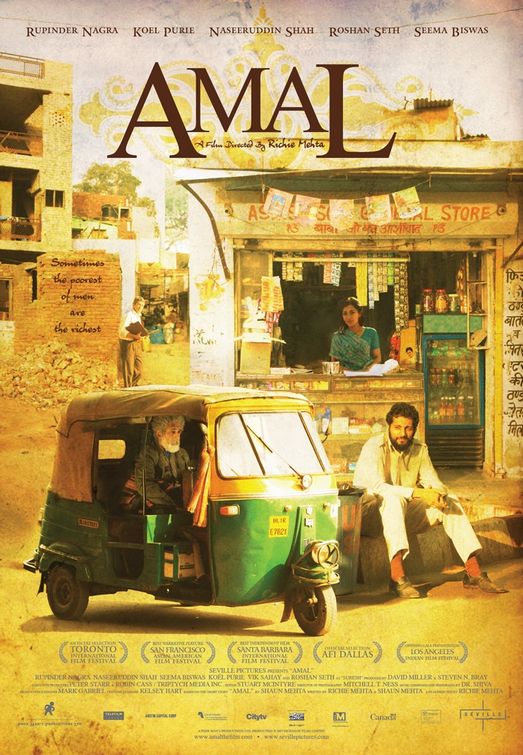
Amal is an “awards” winning movie which, upon watching, will make you think – Why? The movie was nominated for many “best” and won a few of them. Some notable wins are “Best Narrative Award”, “Best Actor” and “Best Original Song.” The song is attributed to poet Mir Taqi Mir, so how it’s “original”, for the movie, beats me. But the wordings of the poem and its meaning (in english) is worth a look.

Certainly not award-worthy, still, the movie is not all that bad. The story is good, workable, has multiple tracks but simple to follow. But the pace of the movie is slower than a stroll. A barely 40 minute story is stretched to 01 Hour 40 Minutes. It’s is a 2007 movie with 1987 type of color and feel.

And acting is like school theatre-ish. Even the Great Naseeruddin Shah is a pain. Thankfully he died midway. He may have heaved a sigh of relief when told his part of shooting is over. Roshan Seth of “Nehru” fame and Seema Biswas of “Bandit Queen” fame are like caricatures in some incomplete cartoon. But they tried their best. Except one, no characters in the movie show any enthusiasm.

There is only one, actress Tanisha Chatterjee, who showed good acting and enthusiasm. A google search on her name brings a 40 year old “Tannishtha Chatterjee.” ‘Amal’ is 2007 movie and “Tanisha Chatterjee” may have been 10 years then, roughly. She may be 23 years approx now and is nowhere to be seen on screen. But wherever she may be, she has my special mention.

Rupinder Nagra as hero is no great shakes but he is pretty likable. Given by the standards of the movie, he is a star, although a dim one, who can carry a concerned audience through a slow lackadaisical movie just to see him through.

Amal, is a slow lazy watch; disappointing but not (that) boring.

Drone, Movie, Amazon Prime

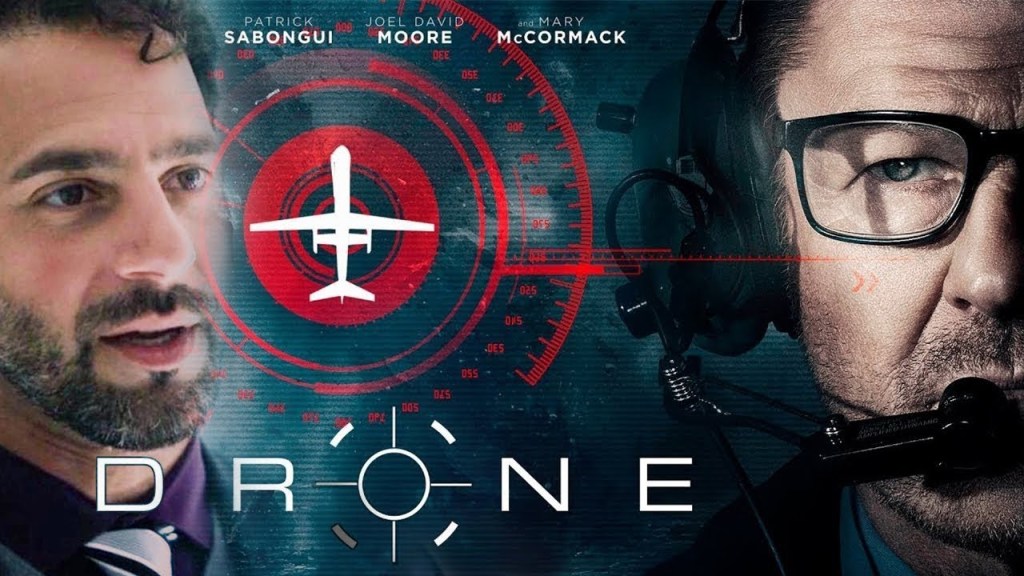
The movie starts in the slums of Pakistan where a drone missile kills a few and then the movie moves into pristine United States where the aftermath is dealt with. This movie, Drone, seems like a sequel to the movie, Eye in the Sky. Where ‘Eye in the Sky’ ends with a Drone Kill, ‘Drone’ starts with a Drone Kill.

Drone‘ has very poor ratings. A 5.4 on IMDb and paltry 27% on Rotten Tomatoes. But a closure look on IMDb and Rotten Tomatoes show that people liked and disliked the movie for several reasons, some of which, I too, agree.

For one, the movie is ‘pretty’ well made. Besides a few Missile Explosions, the major duration of the story is calm. There is dysfunctional family on one side and a desperado on the other and through several series of events there is a meeting of two side and two cultures but with multiple individual motivations.

Every character in the movie is accomplished. But only individually. An incident in a children’s playground is aptly filmed. The dinner table conversation is handled very well and one can see, feel and hear, the forced conversation and false attentions. This meeting then builds up into a climax where ‘more than two actors have to interact on-screen’ and it’s here the performances falter and becomes theatrical.

The director did not reach for the full potential as was possible. The movie has an alien culture in an american home with ambiguous motivation. The director could have displayed more of this dichotomy. This contrast of two cultures had some deep stories to tell. Instead the movie skims. It just settled with ‘one slurp’ of coffee.

Just imagine, the director has a “Pakistani” in an American home and the character is shown eating with forks. The movie had started with Pakistanis eating with their hands, so, why not continue with the same theme? Make the Pakistani eat with his hands, slurp tea from a plate than a cup and “don’t give him wine.” The culture differences could have been displayed on the table, while eating, drinking, not using napkins, and these would have added to the scene depth without impacting the duration of the movie; the character is anyways eating and drinking on an American table, so make him do all those things like a Pakistani. And to add to the eeriness, why not make the Pakistani do Namaz inside the American’s house.

The story could have ended well too. In the end the Pakistani is stabbed. This is lazy storytelling. Why not make him live? To atone for the American’s sins of killing the Pakistani’s family, the American should have taken the Pakistani’s side for once, made him aware of the dangers outside the house, played a game of camaraderie and sent away the Pakistani with the boat. But for this, some changes to the script has to be done, like; ‘The Pakistani is an unknown ordinary person working in IT in US who, due to data leak, chances upon an address of a Drone Contractor who may have killed his family.’

There has been several movies where the story is enacted in one house or one room. Alien/s in an enclosed space gives a feeling of being cornered and is a brilliant setting for a nail biter; someone enters the house and gradually unravels the motivations and each passing moment builds up to a climax. Needless to say, this requires expert handling by the Director. A good Director can change screenplays without impacting the story. A good case is the movie, “Erin Brockovich” (2000). If you care, watch the movie and read the script. It’s an eye opener on what good Directing is all about.

Few movies of this genre which I know are; Yash Chopra’s Ittefaq (1969), Audrey Hepburn starrer ‘Wait Until Dark‘ (1967), Ram Gopal Varma’s Kaun?‘ (1999), Basu Chatterjee’s ‘Ek Ruka Hua Faisla‘ (1986). Having watched these movies, when I approach “Drone”, I see a lost potential. But it’s good to encounter such movies now and then, as, just like life, troughs and crests in movie watching makes one appreciate the values and qualities of the good.

‘Drone’ is less (very less) about Drones, but more of a human dialogue drama. The movie is misplaced just like its promos, where the main antagonist is not even shown.

Self/less, Movie, Amazon Prime

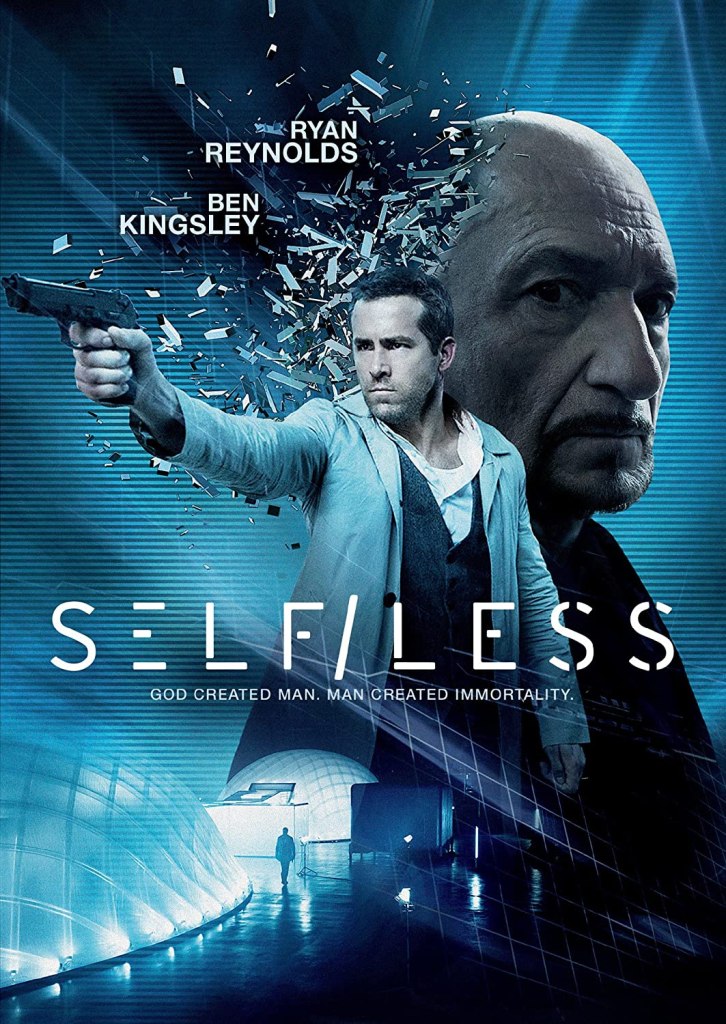
Billionaire Ben Kingsley uses his money power to jump from his dying body to another young army trained body and then swallows pills to wash off the memory of the new body so that he can live with his old self happily ever after.

Self/less, is a movie where the story idea fails to exploit the core concept, which has lots of potential. Instead, the story wastes itself in an erratic screenplay. It seems that, the moment Ben Kingsley becomes Ryan Reynolds, the writers ran out of ideas. And they spent the next 100 minutes trying to make something up.

Three things are noteworthy in the movie – Action, Sound and Cinematography. Whoever in charge of these three functions did an excellent job. But whoever in charge to execute the screenplay did not give any thought to what he was doing.

There are two jolts in the action sequence which may make you jump from your seat. If you want to experience them you may watch this movie.

The Post, Movie, SonyLIV

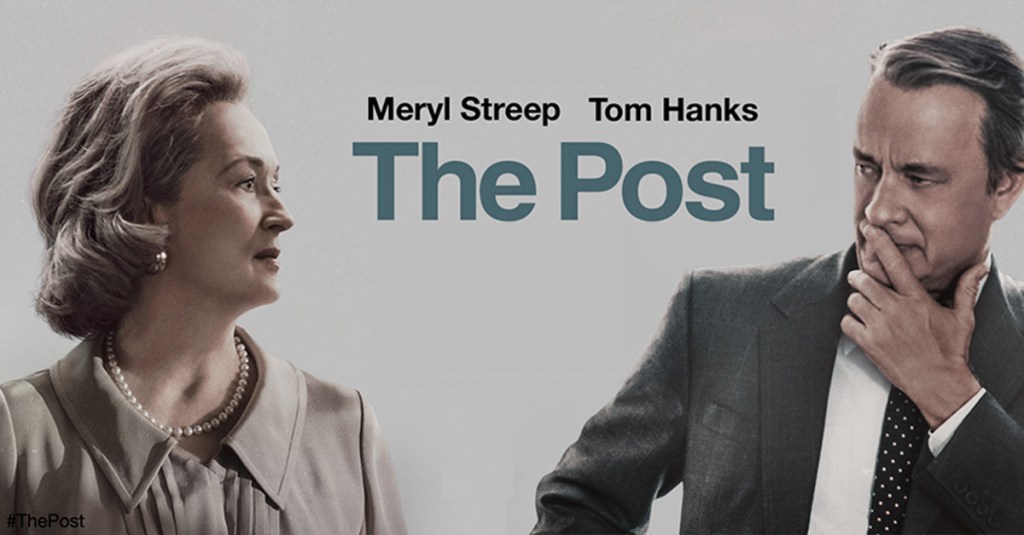
Spielberg is noted for presenting historical events as a human story. In ‘The Post’, the human side is the owner of the Washington Post, a novice widow. And she is presented with circumstances where she needs to take a call.

United States entered Vietnam for war in 1955 and a decade of bombings didn’t get them a win. So they set a committee to find the reason why. The findings were; “United States cannot win this war.” Despite knowing this, successive Presidents kept winning elections pledging to “end the war” but when in Office, kept pumping in more troops into Vietnam who died in large numbers.

In 1971, an “insider”, a “Snowden”, got hold of “The Pentagon Papers“, made xeroxes and sent it to all who dared to publish it. The first to do was The New York Times. This alerted the government of the leak and they came down heavily with “gag orders.”

The Washington Post as a competitor of The New York Times has to do something similar to stay in the game. But the board members advised against this, too scared to counter the government’s “gag orders.” These are the circumstances presented to the newbie owner who took a call to publish. When two major newspapers took this stand others followed. These acts unmasked the political hypocrisy and was instrumental in ending the war in 1975.

Tom Hanks who initially is barely recognisable, with straight hair and speech droll, has given his usual performance. In his case, usual means superlative.

On Privacy and Surveillance-03

In my earlier blogs, I discussed on “Khabreegiri”, the “trade” of snooping, information gathering and reporting. (click here) (and click here). I call this a “trade” because it is. No one will waste their time sneaking into my window and monitoring my entry and exit in main gate of my house if one is not getting something in return, or hopes for it someday.

In this blog, I discuss a historical side of surveillance used for violent purposes. It happened in India.

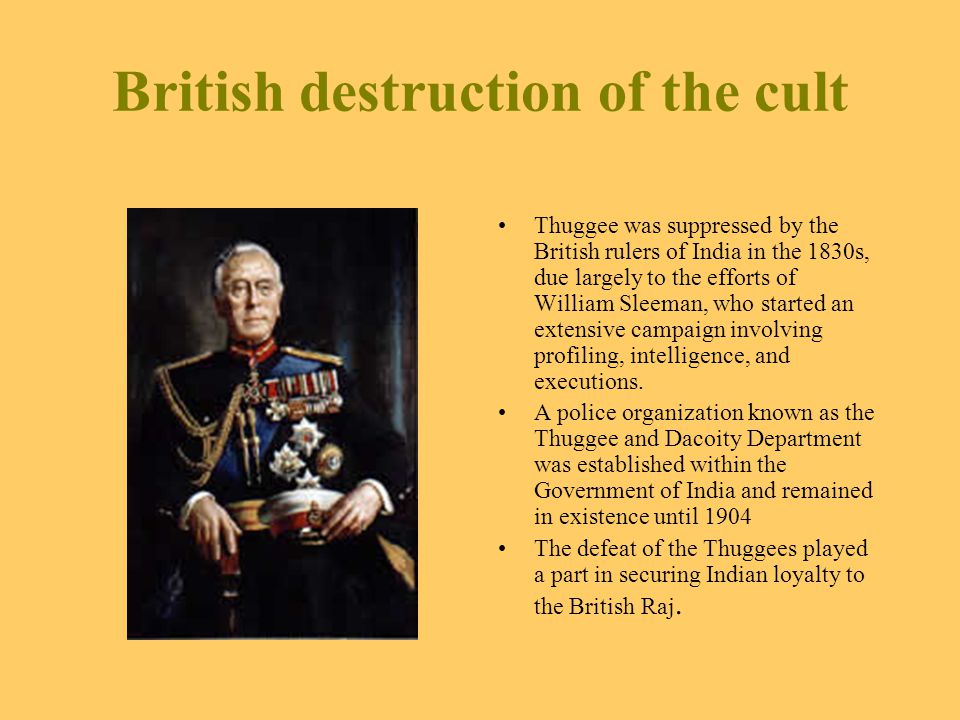
Thuggee” was “re-discovered” in India in 1800’s. The “profession” is prevalent since prehistory. For the first time, it was extensively investigated and documented by Britisher – Major General Sleeman. He is credited with ending “Thuggee” in India. A concise article on Thuggee is here.

Sleeman may have ended the violence associated with the act, but the spirit of Thuggee still remains. The word – Thug (ठग) means “a cheat”. The Thugs 200 years ago cheated and also killed people. But that’s just a surface of the practice. The major of work of “Thuggee” is “information gathering” and this begins even before the victim leaves his home for travel.

In “The Thugs or Phansigars of India“, General Sleeman mentions the ways and means the Thugs employ to gain access to the victim’s information. Firstly, there is never one single Thug. There is a network of Thugs. And then, there is a Leader. All information flow to the Leader and all actions and strategies originate from the Leader. They get the victims net worth, then befriend them, take them off track, finally loot and kill them. “Phansigars” means killers by strangulation. Except perhaps toddlers and infants, the Thugs killed everyone in the group. They didn’t want their identity and information to get out. The spared toddlers and infants were made future Thugs.

For the success of the mission, the Thug’s process of information gathering is interesting. A Thug, as traveller, will “happen” to meet his “target victim” “by chance.” Conversations flow over “drinks.” Too much friendliness will be shown. Common problems will be found and cried over. The Thugs may know the victim from before, hence know the victim’s boss. The Thug knows that the best way to gain fellowship is by criticizing the victim’s “boss.” Once pally, the victim is in the grip of the Thug.

But what if the victim becomes suspicious. Most people are suspicious of new people. Thugs have a solution to this too. The leader Thug will dispatch another Thug. The second Thug will befriend the victim against the first thug. A game is played between the Thugs who know each other but act like quarrelling strangers. The first Thug leaves the scene in a huff and the victim is left to share the gossip with “another Thug.”

But what if, even this does not work. The network of Thugs are so extensive that the leader Thug can swarm the victim or victims with groups of Thugs. This strategy can happen to a large group of innocent travellers being joined by equally large group of Thugs. The Thugs will create fear of thieves, dacoits and roads, will promote the idea of “safety in numbers” and “different safe road.” Well, the victims will never know that some numbers are never safe and some roads are better “less travelled.”

Rarely anyone escapes a Thug’s target. The tactics employed to ensnare are numerous. I write this in present tense because I believe that the practice is still on at less violent but equally lethal levels.

The story of “Thuggee’ is extensive and there are several books on this. But what fascinates me is the practice of “Khabreegiri” which follows similar lines as the practice of “Thuggee.” The Thugs of today gain access to weaknesses and vulnerabilities to undermine and hurt professionally.

At the turn of this century I joined a company where the art of snooping, “Khabreegiri” was pretty refined and fine tuned. In my almost one and half decade with the company, there was never a party, get together, picnic, outstation tours, trekking, classes, seminars, where “informers” were not present. Every method as in ‘Thuggee” were employed by the company “pimps.” They spread their “prostitutes” liberally. Humorously, “prostitutes” informed on each other to the “pimps.”

Culture is infectious and bad culture is even more so. The company, “the brothel” suffered a demise in 2019 and most of the “pimps and prostitutes” escaped into employment in other companies. Those companies may have their own “Khabrees”, but they will now see – “Khabreegiri” at scale, finesse, skill and subtlety. This might be happening. Now.

Thugs are ordinary, respectable, decent looking people. They work as good employees and live with families. They are the unsuspecting pimps and prostitutes in every environment.

Long Shot, Documentary, Netflix

An innocent man is accused of murder but is saved by luck. A TV Camera filming a show in a stadium catches a footage of the accused. This alibi saves the man from death penalty.

This 40 minutes show provides several points to ponder. A history of criminal activities by one or by family will get red flagged by law enforcers as suspect into any other crimes in the vicinity. Pressures on investigators could induce them into dishonesty and frame a suspect who may be innocent for that particular crime.

The accused was lucky to get a lawyer who went the distant to collect evidence for innocence. It’s not easy work to shift data, like, sit down and watch hours and hours of film to locate an individual in a packed stadium. And when this did not work, a chance remembrance of a TV shooting in the stadium, sent the lawyer to pursue and get HBO footage which clinched the deal. Absurdly, the judge decided on an innocent verdict based on “pure and unadulterated” – superfluity.

Unlike other similar crime shows, this show does not drag on for numerous episodes. Many crime documentaries needlessly stretch a story into never ending series of testimonials. “Long Shot” does not waste time and is to the point. But it leaves one much to think about time, chance, luck and finally, the Judge (and her children).

“Long Shot” is bizarre. The best part is the judgement.